
Bracelet Clasp Types Explained: Which Clasp Is Best for Security & Daily Wear?
Table of Contents
Introduction
In the world of jewelry design, details matter. Whether you’re an independent jewelry designer, a boutique brand owner, or a buyer sourcing for a commercial retail line, every piece you produce reflects your craftsmanship and aesthetic vision. While gemstones and precious metals often steal the spotlight, the closure mechanism is a hidden hero quietly ensuring the piece stays secure, fits comfortably, and matches your overall style.
Bracelet clasp types refer to the different mechanisms used to secure bracelets, including lobster clasps, box clasps, toggle clasps, magnetic clasps, and specialized safety locks. Choosing the best clasp for bracelets isn’t just about aesthetic functionality; it’s a strategic decision based on metal material, total bracelet weight, usage frequency, and premium security needs that directly affects customer satisfaction and long-term brand durability.
For example, when designing heavy gold and 18K bracelets, premium box clasps equipped with safety locks offer the highest security, while heavy-duty lobster clasps remain the ideal industry standard for everyday wear collections. Conversely, lightweight fashion bracelets frequently utilize decorative toggle or convenient magnetic clasps—though these accessible fasteners are generally not recommended for high-value fine jewelry lines.
Whether your customers are shopping for everyday wear or high-end statement pieces, viewing a curated range of bracelets makes it easier to see how different clasp types are engineered across various designs. This comprehensive guide will walk you through the most popular types of bracelet clasps, evaluate their pros and cons, and help designers and B2B buyers choose the most secure and suitable options for their upcoming catalogs.

What Is the Best Clasp for Bracelets?
Before diving into the detailed mechanical engineering of each individual fastener, here is our factory-tested verdict on how to choose the right closure based on your collection’s specific design and price point:
Most Secure for Fine Jewelry: The Box Clasp with a Safety Lock is the gold standard for high-value pieces like luxury tennis bracelets.
Best for Everyday Wear: The Heavy-Duty Lobster Clasp offers the perfect balance of security, durability, and daily reliability.
Most Convenient & Accessible: Magnetic Clasps and Toggle Clasps are ideal for fashion jewelry or individuals with limited dexterity, though they offer lower security.
A Universal Guide to Jewelry Fasteners
Understanding the specific needs of a bracelet is essential, but it also helps to have a broader knowledge of jewelry hardware used across necklaces and other chains. For a more technical breakdown of the most common mechanisms and their mechanical advantages, see our comprehensive list of the Jewelry Chain Clasp Types with Examples.
What Are Different Types of Bracelet Clasps?
Bracelet clasps play a crucial role in both functionality and design. The most common types of bracelet clasps include lobster clasps, spring ring clasps, toggle clasps, magnetic clasps, box clasps, fold-over clasps, hook clasps, and barrel clasps. Each type offers different advantages in terms of security, ease of use, durability, and aesthetic style, making them suitable for different jewelry markets and customer needs.
- Lobster Clasp: Highly secure and widely used in fine jewelry and everyday bracelets due to its strong locking mechanism.
- Spring Ring Clasp: Lightweight and cost-effective, commonly used in delicate or entry-level bracelet designs.
- Toggle Clasp: Easy to fasten and often used as a decorative element, popular in fashion-forward jewelry.
- Magnetic Clasp: Extremely convenient for users with limited hand mobility or for quick wear designs.
- Box Clasp: A secure and elegant closure system, frequently used in tennis bracelets and high-end jewelry.
- Fold-Over Clasp: Durable and reliable, commonly applied in bracelets and watch-style jewelry for extra security.
- Hook Clasp: Popular in handmade, artisan, and minimalist jewelry designs due to its simple structure.
- Barrel Clasp: Screw-style clasp often used in beaded bracelets, offering a secure but slightly more complex fastening method.
1. Lobster Clasp: Secure and Durable
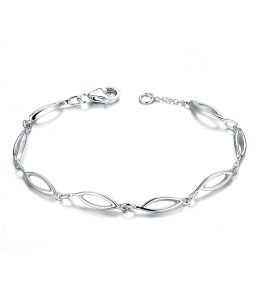
Lobster clasps are shaped like a lobster’s claw and are spring-loaded to open and close.
The lobster clasp is named for its resemblance to a lobster’s claw. It’s spring-loaded and opens when a small lever is pulled.
Pros:
- Highly secure and unlikely to come undone
- Durable for daily wear
- Elegant and minimalist in appearance
Cons:
- Small sizes may be difficult to operate for elderly or customers with limited dexterity
Best for: Gold/silver bracelets, high-value pieces, everyday wear collections
Pro Tip for Designers: Opt for a thicker jump ring to attach the clasp for increased durability over time.

2. Toggle Clasp: Stylish and Easy-to-Fasten
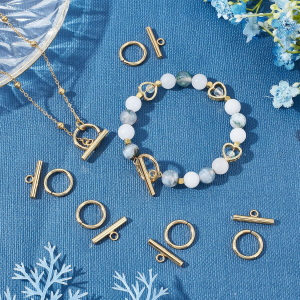
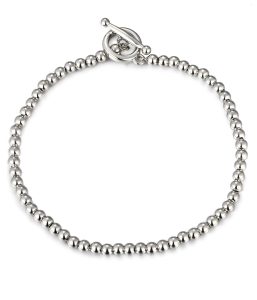
Toggle clasps consist of a T-shaped bar that slides through a loop or ring to fasten the bracelet.
Pros:
- Easy to fasten, especially for customers with arthritis
- Adds a bold and decorative look
- Can act as a visual centerpiece of the bracelet
Cons:
- May come undone if the bar is too small or the ring too large
- Not ideal for high-movement or heavy activities
Best for: Fashion-forward collections, statement jewelry, bold gold or mixed metal pieces
3. Magnetic Clasp: Convenient and Accessible
Magnetic clasps are designed with two opposing magnets that attract and hold together.
Pros:
- Extremely easy to fasten and remove
- Ideal for the elderly, children, or anyone with mobility limitations
- Works well with lightweight bracelets
Cons:
- May come undone with strong pulling force
- Not suitable for heavy or valuable jewelry unless reinforced
Best for: Everyday wear, casual collections, wellness or healing bracelets
Buyer Note: Always test the magnetic strength before bulk purchasing.

4. Box Clasp: Elegant Security for Fine Jewelry
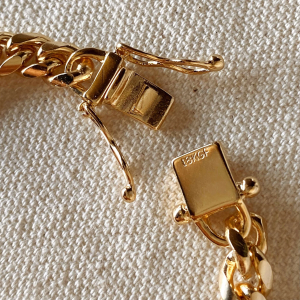
Box clasps consist of a tab that locks into a decorative box, often with an additional figure-eight safety clasp.
Pros:
- Very secure and discreet
- Blends seamlessly with the bracelet design
- Often found in high-end or vintage jewelry
Cons:
- Slightly more expensive to produce
- Requires precise engineering and sizing
Best for: Diamond bracelets, tennis bracelets, premium collections
Design Tip: Customize the clasp top for added branding (e.g., with your logo engraving).
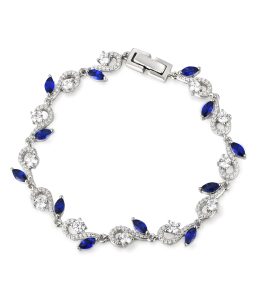
5. Spring Ring Clasp: Affordable and Classic
Spring ring clasps are circular with a hidden spring that opens when you pull a small lever.
Pros:
- Cost-effective
- Lightweight, great for minimalist styles
- Easy to source in bulk
Cons:
- Harder to operate than lobster clasps
- Not ideal for heavier or high-movement bracelets
Best for: Dainty, chain, or minimalist bracelet lines
Tip for Small Brands: Pair with smaller chains or budget-friendly fashion lines.


6. Slide Lock Clasp: Perfect for Multi-Strand Bracelets
Slide locks have a tube or bar that slides into another and locks into place. Often used for multi-strand or layered designs.
Pros:
- Offers excellent security for complex designs
- Sleek and modern aesthetic
- Can handle more weight and layers than other clasps
Cons:
- Slightly more difficult to fasten one-handed
Best for: Statement cuffs, stacked strands, mixed bead or leather combinations
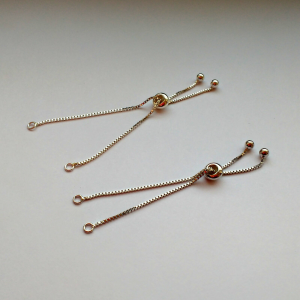
7. Hook & Eye Clasp: Rustic and Simple
This minimalist design uses a hook that attaches to a loop or ring. Popular in boho and casual designs.
Pros:
- Very easy to use
- Natural, handmade appeal
- Inexpensive and easy to produce
Cons:
- Not very secure without added locking mechanisms
- May open under stress or impact
Best for: Bohemian styles, leather or cord bracelets, kids’ collections

Specialty Closures: Tennis Bracelet Clasp Types & Bangle Latches
Different bracelet structures call for specialized engineering. When designing for specific target markets, consider these standard styles:
Tennis Bracelet Clasp Types: High-end diamond layouts almost exclusively rely on a hidden box clasp with dual figure-eight safety wings. This system ensures that even if the primary lock catches on clothing, the side latches keep the precious stones firmly attached to the wrist.
Men’s Bracelet Clasp Types: Men’s jewelry tends to use heavier metal links (like Cuban or Figaro links). For these designs, oversized lobster claws, sister hooks, or fold-over snap-lock clasps are preferred for their rugged aesthetic and high tensile strength.
Bangle Clasp Types: Unlike flexible chains, solid bangles use a structural bracelet catch—a hidden hinged lock built directly into the perimeter of the metal band that seamlessly clicks shut.
Other Clasp Types to Consider
- S-Hook Clasps: An elegant twist on the hook design; ideal for artisan designs
- Bayonet Clasps: Sleek and modern, with a rotating lock system
- Push Button Clasps: Common in watches and luxury bracelets
- Magnetic with Safety Chain: Ideal compromise between convenience and security
Choosing the right clasp is only half the battle; the security of your piece also depends on the chain it is paired with. A heavy box clasp may overwhelm a delicate Singapore chain, while a spring ring might not support the weight of a solid Cuban link. To ensure your chain and clasp are perfectly matched for both style and durability, refer to our Ultimate Professional Guide to Bracelet Chain Types.
Most Comfortable & Durable Bracelet Closures
- Most Durable Bracelet Clasps for Active Wear: If your audience designs for fitness enthusiasts or daily open-air wear, fold-over snap locks or heavy lobster chains with a safety loop survive high physical impact best. Avoid toggles or low-grade magnetic fasteners here.
- Most Comfortable Bracelet Clasps for Daily Wear: For pieces worn to the office or while typing, hidden box locks and slide locks sit perfectly flush against the skin, avoiding painful pinching or catching on knitwear sleeves.
Bracelet Clasp Types Chart: Security, Uses and Materials
| Bracelet Clasp Type | Security Level | Best For | Common Materials |
|---|---|---|---|
| Lobster Clasp | ⭐⭐⭐⭐ | Daily wear bracelets | Silver, Gold |
| Box Clasp | ⭐⭐⭐⭐⭐ | 18K gold bracelets, fine jewelry | Gold, Platinum |
| Toggle Clasp | ⭐⭐ | Fashion bracelets, light designs | Silver, Alloy |
| Magnetic Clasp | ⭐ | Easy-to-wear bracelets | Stainless Steel |
| Hook Clasp | ⭐⭐ | Handmade & vintage styles | Silver, Gold |
| Safety Clasp | ⭐⭐⭐⭐⭐ | High-value bracelets | Gold |
This bracelet clasp types chart shows that box clasps and safety clasps offer the highest security, making them ideal for gold and 18K bracelets, while toggle and magnetic clasps are better suited for lightweight or fashion jewelry.
How to Choose the Best Bracelet Clasp for Your Brand
Choosing the best clasp is a mix of aesthetic, function, and customer comfort. Consider:
| Decision Factor | Recommended Clasp Types |
|---|---|
| Premium security | Lobster, Box, Slide Lock |
| Accessibility (older customers) | Magnetic, Toggle |
| Visual impact | Toggle, Decorative Box |
| Everyday comfort | Spring Ring, Lobster |
| Statement or multi-strand designs | Slide Lock, S-Hook |
What Are the Best Clasp Types for 18K Bracelets?
When selecting the best clasp types for 18K bracelets, security and durability are the top priorities. Because 18K gold bracelets are heavier and more valuable than fashion jewelry, not all bracelet clasp types are suitable.
The best bracelet clasps for 18K gold bracelets include:
Box Clasp with Safety Lock
The most secure bracelet clasp for 18K bracelets. It offers excellent locking strength and is commonly used in fine gold jewelry.Lobster Clasp (Heavy-Duty)
A reliable option for daily wear 18K bracelets, especially when combined with an additional safety chain.Double Safety Clasp
Often used for high-end or custom gold bracelets where maximum security is required.
Not recommended for 18K bracelets:
Toggle clasps and magnetic clasps, as they may not provide sufficient security for heavier gold designs.
⭐In summary, box clasps with safety locks are widely considered the best clasp for bracelets made of 18K gold, especially for luxury, wholesale, and long-term wear applications.

What Bracelet Clasps Do Jewelry Manufacturers Recommend?
At Endless Jewelry Factory, we act as the operational backbone for growing jewelry lines, which gives us a front-row seat to what actually works on the retail floor. Based on years of analyzing performance metrics and production data, here is our transparent guide to selecting hardware that protects both your jewelry and your brand reputation:
Which Bracelet Clasps Do Luxury Brands Prefer?
18K Gold and Platinum Lines: Over 75% of our custom premium projects deploy custom box clasps with double-locking safety mechanisms. The manufacturing cost is higher, but it drops product return rates to near zero.
Sterling Silver & Entry-Level Gold: The heavy-duty lobster claw remains our top recommendation. It balances raw structural strength, widespread consumer trust, and highly efficient manufacturing scaling.
Common Clasp Failures We Watch for in Production
When manufacturing custom hardware, our quality control team systematically tests for three common flaws:
Loose Toggle Bars: If a toggle T-bar is engineered even 1mm too short relative to its ring O-ring, the bracelet will slip out during normal arm swings.
Weak Magnetic Core Castings: Cheap fashion magnets degrade rapidly when exposed to humidity or sweat. We recommend using premium Neodymium (NdFeB) cores wrapped in water-sealed steel housing.
Undersized Connecting Jump Rings: A secure lobster clasp means nothing if it is welded to a thin, fragile jump ring. Always match heavy clasps with thicker, fully soldered connecting loops.
Final Thoughts: Clasp Design Reflects Brand Quality
From lobster clasps to toggle and box clasps, every bracelet fastener plays a role in how your jewelry is worn, perceived, and trusted. For designers and B2B buyers, choosing the right clasp isn’t just about mechanics, which reflects your attention to detail, your brand identity, and your promise to your customers.
At Endless Jewelry Factory, we specialize in helping brands produce secure, stylish, and high-quality bracelets with custom clasp options that suit your collection perfectly. Our team provides clasp prototypes, full OEM/ODM services, and personalized advice to ensure the clasp you choose aligns perfectly with your jewelry designs.
Frequently Asked Questions
1. What type of clasp is best for bracelets?
The best clasp for bracelets depends on the bracelet’s weight and material. For fine jewelry, especially gold and 18K bracelets, box clasps with safety locks are considered the most secure. For daily wear bracelets, heavy-duty lobster clasps are a popular and reliable choice.
2. Which bracelet clasp is the most secure?
Box clasps with additional safety locks are widely regarded as the most secure bracelet clasp. They are commonly used in high-value and luxury bracelets where accidental opening must be avoided.
3. Are magnetic clasps safe for gold bracelets?
Magnetic clasps are convenient but are not recommended for gold or 18K bracelets. They offer low security and may detach under weight or movement, making them better suited for lightweight fashion jewelry only.
4. What clasp is best for heavy or 18K gold bracelets?
For heavy or 18K gold bracelets, the best clasp types are box clasps with safety locks or double safety clasps. These bracelet clasp types provide maximum strength and long-term durability.
5. What are the different kinds of bracelet clasps?
The most common types of bracelet fasteners include lobster claws, spring rings, box clasps, toggle clasps, magnetic locks, fold-over snap closures, slide tubes, and hook-and-eye setups.
6. What is a snap lock clasp?
A snap lock clasp (also universally known as a fold-over clasp) uses a hinged panel that folds shut and clicks securely over a locking bar. It provides a flat profile, excellent skin comfort, and is widely utilized in watch bands and men’s link jewelry.
7. What are some reliable alternatives to lobster clasps for jewelry making?
If you want to replace a classic lobster claw without sacrificing security, consider a fold-over snap lock or a hidden barrel screw clasp. For lightweight lifestyle jewelry, a sliding bolo bead or a high-grade magnetic clasp reinforced with an independent safety chain offers a perfect balance of safety and ease of use.
Recommended for you


