
Decoding Gold Plating: Why Some Jewelry Appears More Yellow
Home » Our Blog » Decoding Gold Plating: Why Some Jewelry Appears More Yellow and What It Means for Quality
Table of Contents
Certain pieces of gold jewelry exhibit a much more intense yellow hue than others because of specific color variations. Consumers often mistake these diverse shades for quality issues, assuming that a deeper yellow tone implies a lower grade or a cheap imitation. However, the exact shade of yellow is determined by the concentration of impurities in the gold and the specific types of alloying metals used during the manufacturing process.
Is Vibrant Yellow Gold Plated Jewelry Actually Fake?
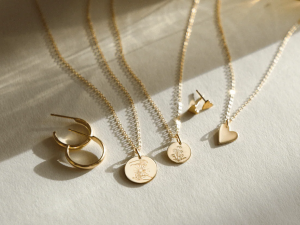
The brief answer is no. A bright yellow finish on gold plated jewelry does not automatically indicate that the item is counterfeit. A common misconception suggests that deep yellow jewelry is artificial or of inferior quality, yet this is fundamentally incorrect. The natural tone of pure gold, particularly 24 karat gold with 99.9 percent purity which is a vivid and saturated yellow.
Because pure gold is naturally soft, it is blended with metals like copper, silver or zinc to improve its durability for daily wear. The specific ratio of these alloys determines the final color, ranging from a pale straw yellow to a deep honey tone. Consequently, a more intense yellow tint often signals a higher gold content or a specific alloy mixture rather than a lack of authenticity.
In the realm of gold plating, the yellow intensity also depends on the thickness of the gold layer and the type of base metal used. A thicker application of gold or a specialized alloy blend can make gold plated items look exceptionally yellow. This bright appearance is often intended to mimic the look of high purity solid gold, reflecting the materials and manufacturing techniques rather than a fake product.
Jewelry designers utilize gold plating to offer the aesthetic of solid gold at a more accessible price point. Therefore, the color alone is not a reliable indicator of value. To judge a piece accurately, one must look at the craftsmanship, the materials used, and the official stamps indicating gold content.


Why Do Some Gold Pieces Look Darker or More Yellow Than Others?
The specific visual profile of gold stems from a combination of purity levels, the secondary metals used in the blend, and the thickness of the gold plating layer.
Purity Levels: Higher karats such as 24k or 22k produce a much deeper and richer yellow.
Alloy Composition: Metals like copper add warmth and a reddish tint, while silver or zinc create a lighter and cooler yellow.
Plating Thickness: A thicker gold-plated layer results in a more vibrant and long-lasting color.
Factor Less Yellow More Yellow Purity 10K or 12K 18K to 24K Alloy Metal More silver or nickel More copper Plating Thickness Thin layer Thick layer
Color Profiles of Common Yellow Gold Karats
The visual appearance of jewelry changes significantly based on its karat rating, which identifies the gold purity. Higher karat gold is purer and displays a rich yellow glow, whereas lower karat gold contains more non gold metals, leading to a paler look. Understanding these distinctions helps consumers select the perfect shade for their personal style.
24k Gold
Why is 24k gold so yellow? Pure 24 karat gold possesses the most intense yellow saturation possible. Its deep and rich tone is the hallmark of pure gold. While it is the most vibrant, it is also very soft and less frequently used for standard jewelry items that require high durability.
18k Gold
Consisting of 75 percent pure gold, 18 karat gold has a slightly softer yellow color compared to 24k. The addition of metals like copper and silver provides essential strength and a sophisticated yellow tone, making it a premier choice for high end luxury jewelry.
14k Gold
With 58.3 percent gold content, 14 karat gold displays a noticeably paler yellow shade. This karat offers an ideal compromise between strength and beauty, making it the most common gold type in the jewelry industry. The non gold metals in this alloy have a significant impact on the final color.
10k Gold
Containing only 41.7 percent gold, 10 karat gold is the least yellow among common jewelry standards. The high percentage of alloy metals creates a muted and subtle yellow tone. This option is popular for those seeking durable and affordable jewelry without the need for an intense yellow appearance.
Why Do My Gold Plated Jewelry Colors Not Match?
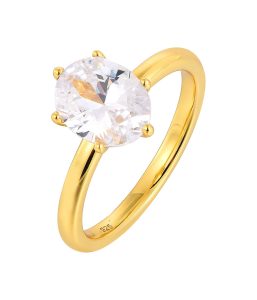
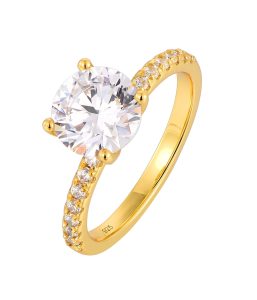
There is no universal color standard for gold plated jewelry, which leads to variation between pieces. Different brands and manufacturing facilities use unique alloy recipes, varying base metals, and different plating thicknesses.
Unlike the Pantone system used in printing, gold plating lacks a strict color standardization. Even if two items are labeled as the same karat, one might appear yellower than the other. The final hue is influenced by the metal beneath the gold and the thickness of the deposited gold layer. A thick gold plated surface creates a richer yellow, while a thin layer might let the color of the base metal subtly show through. Some manufacturers also add extra copper to achieve a vintage warm tone. Even when purchasing from a single company, achieving a perfect color match is difficult because of the variations in production batches.
While manufacturing styles differ, these variations do not necessarily indicate poor quality. To maintain a uniform look, it is best to purchase matching items from the same collection or brand.
Can You Adjust the Yellow Tone Within a Specific Gold Karat?
Yes, manufacturers can modify the yellow tone of a specific gold karat by altering the alloy combination. While the karat indicates the purity of the gold, the companion metals like copper, silver, zinc or nickel define the visual color. Copper makes the gold look warmer or redder, while silver and zinc make the gold appear lighter and more lemon yellow.
A professional gold jewelry manufacturer can fine tune these mixtures to meet specific aesthetic requirements while maintaining the legal karat rating. This explains why two 18k rings might look different. The gold content is identical, but the alloy chemistry allows the jeweler to customize the look for different markets or styles.
How to Ensure Color Consistency in Gold Plating
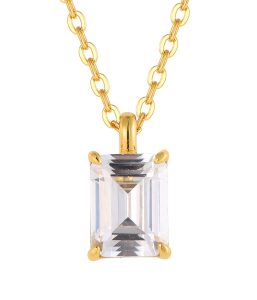
To achieve a uniform color in gold plating, manufacturers must strictly control several technical variables.
- Maintaining a precise and consistent alloy blend in the plating solution is vital. Using exact ratios of copper, silver or zinc ensures that the gold color remains uniform across every production run.
- Applying a consistent gold layer thickness across all items prevents color shifts caused by the base metal. If the thickness varies, the visual depth of the gold will also vary.
- Using the same base metal for all gold plated products is essential. The underlying material can subtly influence the final tone of the gold.
Quality jewelry producers follow a standardized gold jewelry quality control policy. They monitor the temperature of the plating bath, the electrical current, and the chemical concentrations during the electroplating process to ensure every piece of gold plated jewelry matches the desired yellow tone.
Can Gold Jewelry Be Made to Look Less Yellow?
Certainly. If a customer prefers a more muted look, gold jewelry can be made less yellow by adjusting the alloy mixture or choosing a lower karat. Adding more silver, nickel or palladium to the gold reduces the yellow intensity, creating a paler finish. As noted, 10 karat gold is naturally less yellow than 18k or 24k gold.
Additionally, different finishes and plating options can change the appearance. For those seeking a neutral or cool tone, white gold plated with rhodium is a popular alternative. By working with a professional jeweler, you can consult a gold plating color chart to identify the exact hue and tone that fits your vision.

Key Takeaway
Gold with higher purity levels appears brighter and more richly yellow, while lower purity gold is naturally paler. Due to a lack of industry wide color standards, gold plated jewelry will often vary in shade based on the thickness of the plating, the specific alloy blends, and the underlying base metals. Achieving a consistent color requires expert control over the manufacturing process and the chemical composition of the gold plating bath.
Recommended for you


