
Gold Vermeil Jewelry Explained: Is Gold Vermeil Jewelry Good & Worth It?
Table of Contents
Gold vermeil jewelry sits in the sweet spot between affordable fashion plating and solid gold. For jewelry brands and wholesale buyers, it delivers the look of real gold at a fraction of the cost, built on a genuine sterling silver base rather than cheap brass. This guide explains what gold vermeil is, how it is made through electroplating, how it compares to gold plated and gold filled jewelry, how long it lasts, and whether it is the right material for your jewelry line. Whether you are launching a demi-fine collection or sourcing OEM pieces for resale, understanding vermeil helps you position real quality without the solid-gold price tag.

What Is Gold Vermeil Jewelry?
1. What Is Gold Vermeil Jewelry?
Gold vermeil (pronounced “ver-may”) is a type of jewelry with a core of sterling silver—a genuine precious metal—covered by a thick layer of real gold. In the United States, the FTC Jewelry Guides provide specific requirements for describing a product as gold vermeil:
- The base metal must be sterling silver (92.5% pure silver) .
- The gold layer must be at least 10 karat.
- The plating must be at least 2.5 microns thick.
If a piece does not meet these requirements, it should not be described as vermeil under the U.S. FTC definition.
2. 14K Gold Vermeil Jewelry Meaning
14K vermeil uses 14-karat gold (about 58.3% pure gold, measured by gold karat fineness). It is harder and more scratch-resistant, with a slightly lighter yellow tone. Most everyday vermeil pieces use 14K because it balances durability and cost—ideal for rings and bracelets that face daily friction.
3. 18K Gold Vermeil Jewelry Meaning
18K vermeil uses 18-karat gold (75% pure). It carries a richer, warmer color and a more luxurious appearance but is softer. Many high-end demi-fine brands choose 18K vermeil for its depth of color on earrings and pendants where scratch resistance matters less.

How Gold Vermeil Is Made
Unlike thin flash plating, vermeil is built through a controlled electroplating process that bonds a substantial gold layer to the silver base. The basic steps are:
- Base preparation — the sterling silver component is cleaned, polished, and degreased so the gold bonds evenly without pitting.
- Strike plating — a thin layer of high-purity gold (or a nickel-free buffer) is deposited first to improve adhesion.
- Heavy gold deposit — the piece is submerged in a gold electrolyte bath and charged with direct current, building the layer to the required 2.5+ microns.
- Quality verification — thickness is measured (often by XRF) to confirm FTC compliance before finishing and assembly.
This manufacturing depth is what separates vermeil from costume plating, and it is why a reliable factory matters for wholesale programs where every batch must meet the same standard.
14K vs 18K Vermeil — Which Should You Choose?
| Factor | 14K Vermeil | 18K Vermeil |
|---|---|---|
| Gold Purity | 58.3% | 75% |
| Color | Lighter yellow | Warmer, richer |
| Hardness | More scratch-resistant | Softer |
| Best For | Rings, bracelets, daily wear | Earrings, pendants |
| Price Point | Lower | Higher |
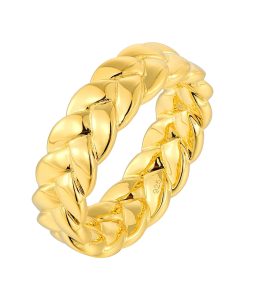
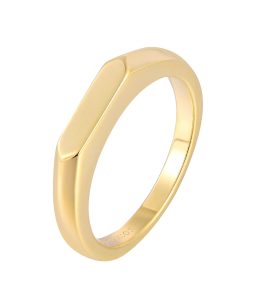
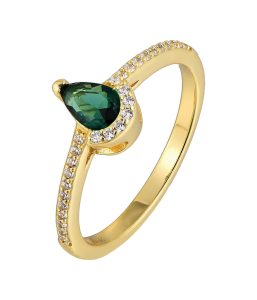
Featured wholesale pieces: Premium gold vermeil jewelry pendants and rings for wholesale buyers — explore our complete gold vermeil jewelry collection.
Is Gold Vermeil Jewelry Good?
Gold vermeil jewelry is widely regarded as a strong choice in terms of quality, durability, and overall value. It offers a refined look, premium materials, and reasonable longevity at a price point significantly lower than solid gold.
Durable and Long Lasting
Compared to standard gold plated jewelry, gold vermeil jewelry is far more durable due to its thicker gold layer and sterling silver base. With proper care, gold vermeil jewelry typically may last around one to two years under typical use, but actual service life varies significantly by construction, wear frequency, and care. When properly maintained, gold vermeil jewelry retains its shine and color far longer than thin plated alternatives.
Hypoallergenic and Skin Safe
Is gold vermeil jewelry hypoallergenic? Yes, in most cases. Because vermeil uses sterling silver as its base, it can be a suitable option for many customers with metal sensitivities, but nickel-free status should be verified with the manufacturer rather than assumed from the term “vermeil” alone. This makes gold vermeil jewelry a popular choice for earrings, piercings, and children’s jewelry. Individuals with extremely sensitive skin should still exercise caution, but for most wearers gold vermeil jewelry offers excellent skin safety.


Water Resistance and Tarnish Resistance
Gold vermeil can tolerate limited incidental water exposure, but prolonged contact with water, chlorine, saltwater, soap, and cosmetics can accelerate wear of the gold layer. For wholesale brands, care instructions should be included with products rather than positioning vermeil as fully waterproof.
Affordable Luxury Appeal
Gold vermeil jewelry delivers the appearance of solid gold without the high cost. This makes it an ideal choice for consumers seeking luxury aesthetics with practical pricing. For jewelry brands, gold vermeil jewelry enables premium positioning while remaining accessible to a wider customer base. It is often used in demi-fine collections, everyday jewelry lines, and gift-focused designs.
Gold Vermeil Jewelry: Pros and Cons
A quick balance sheet helps brands and buyers decide where vermeil fits:
Pros
- Real gold over a real silver base—no cheap brass underneath.
- Generally hypoallergenic and nickel free, safe for sensitive skin and piercings.
- Premium solid-gold appearance at a fraction of the solid-gold cost.
- Re-platable: a qualified manufacturer can restore the gold layer to extend product life.
Cons
- Softer than gold filled; with daily wear the gold layer can thin in one to two years.
- Not suited to constant pool or saltwater exposure without extra care.
- Quality varies by factory, so FTC compliance must be verified batch by batch.
Gold Vermeil vs Gold Plated vs Gold Filled Jewelry
Understanding the difference between gold plated, gold vermeil, and gold filled jewelry helps buyers and brands choose the right option based on durability, budget, and intended use. Generally speaking, gold filled jewelry offers the highest durability, followed by gold vermeil jewelry, and then gold plated jewelry.
| Feature | Gold Plated | Gold Vermeil | Gold Filled |
|---|---|---|---|
| Base Metal | Brass or any | Sterling silver (92.5%) | Brass or any |
| Gold Thickness | <0.5 micron (flash) | ≥2.5 microns | 5%+ by weight |
| Gold Purity | Any | ≥10K | ≥10K |
| Durability | Months | 1–2 years | 3–5 years |
| Hypoallergenic | Rarely | Usually | Usually |
| Price | $ | $$ | $$$ |
What Each Finish Costs at the Factory Gate
For jewelry brands, the factory-gate cost of a gold finish depends on more than the gold layer itself. Base metal, gold purity, plating thickness, design complexity, stone setting, production quantity, and finishing requirements can all affect the final wholesale unit cost.
Gold plated jewelry is generally the lowest-cost option because it can be produced over brass or other base metals with a relatively thin gold layer. It is often suitable for fashion collections, trend-driven designs, and higher-volume programs where keeping the unit cost low is the primary objective.
Gold vermeil normally sits at a higher factory cost because it requires a sterling silver base and a substantially thicker gold layer. For brands positioning their products as demi-fine or accessible luxury jewelry, the additional material and processing cost can support a stronger product story and higher retail positioning.
Gold filled generally carries a higher manufacturing cost because the gold layer is mechanically bonded to the base metal and must meet a specific weight requirement. It can make sense for brands prioritizing long-term wear performance, but the higher material cost should be evaluated against the target retail price and expected order volume.
There is no universal factory price for any of these finishes. For a custom jewelry project, the most useful comparison is the unit cost at the required quantity, rather than the finish alone. Design complexity and order size can significantly change the quotation.
For a broader explanation of the factors that influence custom jewelry pricing, see our custom jewelry cost guide for a more detailed B2B cost breakdown.
Gold Vermeil Jewelry vs Gold Plated Jewelry
Gold vermeil jewelry generally offers a more defined material structure than standard gold-plated jewelry. For brands comparing these two finishes, see our gold vermeil vs gold plated comparison for a closer look at base metals, plating thickness, durability, and production considerations.
Gold Vermeil Jewelry vs Gold Filled Jewelry
Gold filled jewelry contains a thicker layer of gold mechanically bonded to the base metal, making it more durable than gold vermeil jewelry. Gold-filled jewelry generally offers greater resistance to wear than gold vermeil, although actual service life depends on construction and use. However, gold filled jewelry is also more expensive and less flexible for fast-changing fashion designs. Gold vermeil jewelry remains a popular choice for brands that want premium aesthetics, manageable pricing, and design versatility.
MOQ and Lead Time by Finish
For wholesale buyers, material choice should also be evaluated together with MOQ and production lead time. There is no universal MOQ for gold plated, gold vermeil, or gold filled jewelry because manufacturers set minimums according to their production setup, material purchasing, plating or bonding requirements, and order volume.
In general, gold plated jewelry can be easier to produce in larger batches, especially for standard designs and fashion collections. Gold vermeil requires a sterling silver base and additional gold plating requirements, while gold filled production involves a different bonding process and material structure.
For custom jewelry, lead time can also vary significantly between projects. A repeat order using an existing design may move through production much faster than a new OEM project that requires CAD development, prototyping, sampling, casting, polishing, stone setting, plating, and final inspection.
For small and emerging brands, the practical question is therefore not simply “Which finish has the lowest MOQ?” but which manufacturer can support the required finish, quantity, quality standard, and production schedule at the same time.
Is Gold Vermeil Jewelry Real Gold?
Yes, gold vermeil jewelry is made with real gold. While it is not solid gold, the gold layer used in authentic gold vermeil jewelry is genuine gold applied at regulated thickness over sterling silver. Because quality varies by manufacturer, it is important to source gold vermeil jewelry from trusted suppliers that comply with FTC standards and provide material verification.
For buyers, the practical difference from solid gold is cost and weight. A solid 14K gold piece is priced on its full gold content, while vermeil carries only a surface layer of gold over silver—so you get the same warm color and premium impression at a small fraction of the price. That is precisely why vermeil is the default “accessible luxury” material for brands that want a solid-gold look without a solid-gold margin structure.


How to Tell If Gold Vermeil Jewelry Is Real
1. Longevity and Wear Performance
Authentic gold vermeil jewelry should maintain its color and shine for at least one to two years with proper care. Premature fading, discoloration, or peeling may indicate insufficient gold thickness.
2. Fischerscope XRF Testing
The most accurate way to verify gold vermeil jewelry is through Fischerscope XRF testing. This non-destructive test identifies base metal composition, gold purity, and plating thickness. Professional manufacturers often provide test reports to ensure transparency, quality assurance, and customer trust.
Is Gold Vermeil Jewelry a Good Choice for Jewelry Businesses?
Gold vermeil jewelry is highly suitable for many types of jewelry brands due to its flexibility, affordability, and premium appearance. Learn why gold vermeil boosts brand value for wholesale and private-label programs.
For emerging brands and businesses testing new collections, low MOQ custom jewelry can also reduce the upfront inventory risk. Instead of committing to large quantities before knowing which designs will sell, brands can start with smaller production runs, evaluate customer response, and scale successful designs over time.
- Demi Fine Jewelry Brands — Brands positioned between fashion and fine jewelry often rely on gold vermeil jewelry to deliver quality materials, elevated design, and competitive pricing.
- Gift Focused Jewelry Brands — Gold vermeil jewelry is ideal for gift-oriented collections such as pendants, lockets, charm bracelets, and earrings. It offers strong visual value while remaining budget-friendly for gifting occasions.
- Seasonal and Trend Based Collections — For seasonal collections, limited editions, and trend-driven releases, gold vermeil jewelry allows brands to innovate without heavy investment. Its balance of cost and quality supports frequent design refreshes.
If you already have your own jewelry designs, an OEM ODM custom jewelry approach can give you more flexibility in deciding whether to develop original pieces or start from existing manufacturer designs and customize them for your collection.
Wholesale Buying Decision: When Does Gold Vermeil Make Sense?
For wholesale buyers, the best gold finish depends on the brand’s target retail price, expected order quantity, durability requirements, and product positioning.
- Choose gold plated when keeping the factory cost low is the priority and the collection is designed around fashion, seasonal trends, or short product cycles.
- Choose gold vermeil when a sterling silver base, genuine gold content, and a more premium product story are important while keeping the cost well below solid gold.
- Choose gold filled when longer wear performance is a higher priority and the target retail price can support the higher material cost.
For brands ordering smaller quantities, gold vermeil can be particularly attractive because it provides a premium precious-metal foundation without requiring the full material cost of solid gold. At larger production volumes, however, the best choice should be based on the complete quotation, required finish specification, expected lifespan, and target retail margin rather than material preference alone.
Major Jewelry Brands Using Gold Vermeil Jewelry
- Monica Vinader — known for its use of 18K gold vermeil jewelry crafted over recycled sterling silver. The brand emphasizes durability, ethical sourcing, and long-lasting beauty.
- Mejuri — a leading name in affordable luxury jewelry offering a wide range of 18K gold vermeil jewelry. Their collections focus on everyday wear, minimalist design, and transparent pricing.
These established brands show what a well-made vermeil program looks like — and the model is repeatable for smaller labels. Our own OEM and private-label manufacturing programs help emerging jewelry brands build FTC-compliant vermeil lines at scale.
Gold Vermeil and Recycled Silver: A Sustainability Angle
Vermeil’s silver core also opens a sustainability story that resonates with modern buyers. Brands such as Monica Vinader build their vermeil lines over recycled sterling silver, cutting the environmental load of newly mined metal while keeping the same 92.5% standard. For B2B programs, offering a recycled-silver vermeil option lets you meet retailer and consumer demand for responsible sourcing without moving to a more expensive material. It is a low-effort, high-message-value differentiator when pitching to eco-conscious accounts.
Wholesale Sourcing Checklist for Gold Vermeil
For brands buying vermeil at volume, use this checklist before committing to a manufacturer:
- Confirm FTC compliance — 925 sterling silver base, gold of at least 10K, and a plating thickness of 2.5+ microns.
- Request XRF test reports per batch, not just per sample, to verify gold purity and layer thickness.
- Ask about re-plating and after-sales — a partner who can re-plate worn stock protects your brand’s reputation.
- Verify nickel-free certification for sensitive-skin and EU/US compliance markets.
- Sample before bulk to check color consistency between 14K and 18K and across production runs.
How to Care for Gold Vermeil Jewelry
Proper care is the difference between vermeil that fades in months and vermeil that lasts the full one to two years. Follow these steps:
- Wipe after wear with a soft, dry jewelry cloth to remove skin oils and trace perfume.
- Clean gently with mild soap and lukewarm water; never use abrasive polish or jewelry dips meant for solid gold.
- Dry completely with a lint-free cloth—trapped moisture is the main cause of underside tarnish.
- Store separately in a soft pouch so harder pieces cannot scratch the gold surface.
- Remove before swimming, showering with products, or applying perfume and lotion.
- Re-plate when faded by sending pieces back to your manufacturer to restore the gold layer.


Conclusion: Is Gold Vermeil Jewelry Worth It?
For many jewelry brands, gold vermeil can be a worthwhile choice when the product requires a sterling silver base, genuine gold content, and a more premium positioning without the material cost of solid gold. It offers real gold, real silver, refined appearance, and strong value, making it suitable for both consumers and jewelry brands. With proper care, gold vermeil jewelry delivers lasting beauty, affordability, and comfort.
For jewelry businesses, working with an experienced and reliable manufacturer is essential to ensure compliance, quality, and long-term customer satisfaction. Contact our team to discuss OEM and wholesale gold vermeil programs. If your priority is the absolute longest lifespan and you sell at a higher price point, gold filled may edge ahead; if you want the lowest cost for fast fashion, standard gold plated fits.
But for the large middle ground—brands that want a genuine precious-metal story, a solid-gold look, skin-safe wear, and margins that still work at volume—gold vermeil is the most balanced choice on the market. For brands balancing material quality, product positioning, and target retail pricing, gold vermeil can offer a practical middle ground between conventional gold plating and solid gold.
FAQs About Gold Vermeil Jewelry
1. Does Gold Vermeil Jewelry Tarnish in Water or Turn Green?
Gold vermeil should not normally turn green when properly manufactured and maintained. However, wear, exposure, and the condition of the underlying silver can affect the appearance over time.
2. Is Gold Vermeil Jewelry Waterproof?
Gold vermeil is not fully waterproof. Occasional incidental water exposure may be tolerated, but prolonged exposure to water, chlorine, saltwater, soap, and cosmetics can accelerate wear of the gold layer. For longer product life, remove vermeil jewelry before showering or swimming.
3. How Long Does Gold Vermeil Jewelry Last?
With proper care gold vermeil jewelry typically lasts one to two years depending on wear frequency and maintenance.
4. Can You Wear Gold Vermeil Jewelry in the Shower?
Yes, but rinse with clean water and dry thoroughly after showering to reduce chemical exposure.
5. Can You Swim With Gold Vermeil Jewelry?
It is best to remove gold vermeil jewelry before swimming, especially in chlorinated or saltwater. Prolonged exposure can accelerate wear of the gold layer.
6. How Do You Clean Gold Vermeil Jewelry?
Use mild soap and clean water with a soft cloth. Gently wipe the surface and dry completely.
7. Is Gold Vermeil Better Than Gold Plated?
Yes. Gold vermeil uses a thick layer of real gold (at least 2.5 microns) over a genuine sterling silver base, while gold plated jewelry uses a thin flash over cheaper base metals. Vermeil lasts longer, looks better, and is safer for sensitive skin.
8. Can Gold Vermeil Jewelry Be Replated?
Yes. Worn vermeil can be re-plated by a qualified manufacturer, which restores the gold layer and extends the piece’s life — a common service for wholesale and brand programs.
Recommended for you


