
How Much Does a Real Gold Cross Necklace Cost? (2026 Buying Guide)
Table of Contents
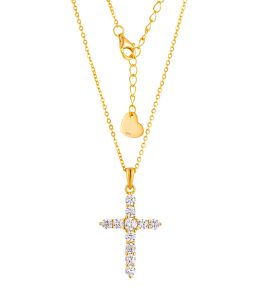
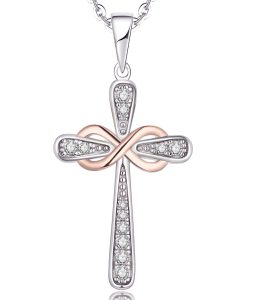
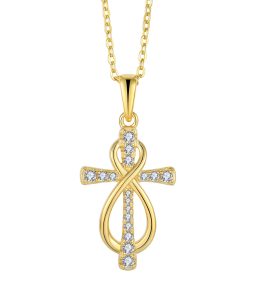
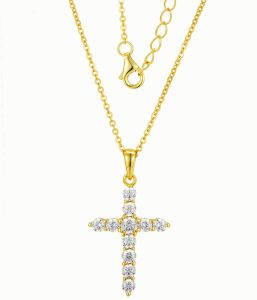
A real gold cross necklace can cost a little over $100 or several thousand dollars. The price depends on the gold karat, the weight of the pendant and chain, the design, and whether the piece includes diamonds or other gemstones. A small 10K or 14K cross may suit a modest budget, while a heavy gold crucifix or diamond-set necklace can cost considerably more.
The first thing to check is what the price actually includes. A pendant sold without a chain is not directly comparable with a complete necklace, and two crosses of similar size can contain very different amounts of gold. And get more real gold name necklacce information in our jewelry.
This guide compares real gold cross necklace prices, explains how 10K, 14K, 18K and 24K gold differ and shows what to check before buying. It also covers custom manufacturing considerations for jewelry brands and wholesale buyers.
How Much Does a Real Gold Cross Necklace Cost?
The following price bands are starting points for comparing products, not statistical market averages. The actual price depends on the specifications of each necklace.
| Necklace Type | Indicative Retail Budget | Main Price Drivers |
|---|---|---|
| Small, plain gold cross | Around $100–$300+ | Gold weight, karat, and whether a chain is included |
| Standard gold cross necklace | Around $300–$800+ | Pendant and chain weight, gold purity, and finishing |
| Large or heavy gold cross | Around $800–$3,000+ | Total metal weight, construction, and chain thickness |
| Diamond-set gold cross | Around $500–$5,000+ | Gold content, diamond specifications, setting work, and brand |
These categories overlap. A small diamond cross can cost less than a heavy plain-gold crucifix, and a designer piece may carry a substantial premium over a similar item from another retailer.
Real Retail Price Examples
Retail listings provide a more useful reference than an unsupported claim about the average price of every gold cross necklace.
| Retail Listing | Price Shown in the Search Result | What to Check |
|---|---|---|
| Macy’s 14K gold cross necklace results | From approximately $350 in the supplied SERP | Check the exact style, sale price, chain, and weight |
| Walmart 10K/14K gold cross necklace listing | Approximately $479.99 for 10K and $739.99 for 14K | Confirm the selected karat, dimensions, and included components |
| FrostNYC gold cross necklace collection | A 5-gram 10K gold cross necklace appeared at approximately $796 in the supplied SERP | Check the exact item, stated weight, chain specifications, and current price |
Price data note: These are examples of individual retail listings observed in search results, not a controlled survey of the entire market. Prices, discounts, inventory, and product specifications can change. Confirm the live listing before using any figure as a current quotation.
For a fair comparison, record four details: karat, total gold weight, whether the chain is included, and whether the piece contains gemstones. Without those details, a lower price does not necessarily represent better value.
What Determines the Price of a Gold Cross Necklace?
1. Gold Weight and Size
Gold weight is one of the strongest drivers of material cost. A small, lightweight cross generally requires less gold than a large pendant with thick arms or a substantial three-dimensional design.
Appearance alone can be misleading. Two pendants may have similar dimensions, but one may be hollow while the other has a solid construction. Ask for the approximate weight of the pendant and chain separately when possible.
2. Pendant Only or Complete Necklace?
Some listings include a chain, while others sell the cross pendant separately. Chain length and construction also affect the final price.
Before comparing products, check:
Whether the chain is included
The chain’s gold purity and approximate weight
The chain length and thickness
The clasp type and construction
Whether the pendant and chain use matching materials
A 14K pendant paired with a different material chain should not be described or priced as though every component were 14K gold.
3. Solid or Hollow Construction
In the U.S. FTC’s jewelry guidance, “solid gold” means the item is not hollow; it does not mean the item consists of 24K pure gold. A solid gold item can still be made from a 10K, 14K, or 18K alloy.
Hollow gold crosses use less metal for a given external size, which can lower their material cost. However, thin walls may be more vulnerable to dents under impact. A solid design generally feels more substantial, but durability also depends on its thickness, geometry, and workmanship.
Ask the seller to disclose the construction rather than assuming that a larger-looking cross contains more gold.
4. Gold Purity
Gold purity affects the amount of gold in the alloy. An 18K cross contains a higher proportion of gold by weight than a comparable 14K cross, while 10K gold contains less.
The material cost is therefore influenced by both purity and weight. A heavier 10K cross can contain more total gold than a very light 18K cross.
5. Gemstones and Design Details
Diamonds, moissanite, cubic zirconia, and other stones affect the price in different ways. For diamond-set crosses, the total carat weight, stone quality, and setting method can make a major difference.
Engraving, intricate crucifix details, diamond-cut surfaces, and multiple components can also add manufacturing time. Brand positioning and retail services contribute to the final selling price as well.
10K vs. 14K vs. 18K vs. 24K Gold
Karat (K) measures the proportion of gold in an alloy. Pure gold is 24 parts gold out of 24, while lower-karat jewelry contains other metals to achieve the required properties and color.
| Gold Purity | Approximate Gold Content | Common Fineness Mark | Practical Consideration |
|---|---|---|---|
| 10K | 41.7% | 417 | Lower gold content; often a more accessible price |
| 14K | 58.3% | 585 | A common choice for U.S. fine jewelry |
| 18K | 75.0% | 750 | Higher gold content and usually a higher material cost |
| 24K | Approximately 99.9% when marked 999 | 999 | Very high purity; relatively soft for many everyday jewelry designs |
The U.S. Federal Trade Commission’s guide to buying gold and silver jewelry explains karat marks and the distinction between solid gold and gold-covered products.
Is 14K Gold a Good Choice for a Cross Necklace?
For a cross necklace intended for regular wear, 14K gold is a practical starting point for many U.S. buyers. It contains more gold than 10K and generally costs less in material than a comparable 18K piece. The actual durability still depends on alloy composition and construction.
Choose 10K if a lower purchase price is the priority, 14K for a balance of gold content and everyday practicality, or 18K if a higher gold content is important to you.
Is 24K Gold Better?
Not necessarily. Although 24K gold contains more gold, it is softer than most lower-karat gold alloys used in jewelry. A thin cross or delicate chain may not be the best application for very high-purity gold if it is exposed to frequent bending or impact.
The preferred purity also varies by market and customer expectations. Buyers in some markets may prioritize 18K or higher, while 10K and 14K are common options in U.S. retail jewelry. In the UK and other markets, fineness marks and hallmarking rules also matter. Always confirm the applicable local requirements rather than assuming that one marking system applies worldwide.
How to Calculate the Gold Value of a Cross Necklace
A necklace’s gold content can be estimated from its weight and purity.
Pure gold content = gold-alloy weight × gold purity
For example, if a hypothetical pendant weighs 3 grams and is made entirely from 14K gold alloy:
3 g × 58.3% ≈ 1.75 g of pure gold.
This is a calculation of gold content, not a retail valuation. If the stated weight includes stones, a non-gold component, or a chain made from a different material, the calculation needs to be adjusted.
To estimate the metal value, you also need a gold price for the relevant date and unit. If the quoted market price is per troy ounce, convert it to a per-gram figure before applying the purity calculation.
The retail price will usually be higher than the raw metal value because it also includes manufacturing, finishing, distribution, business costs, and the retailer’s margin. A custom design or diamond-set cross may carry additional costs that are not explained by gold weight alone.
Why a Live Gold Price Matters
Gold prices change frequently. A price guide should therefore identify the date and source of any gold-price benchmark rather than presenting an undated figure as current.
For a reproducible calculation, record:
The gold-price benchmark and its date
The currency and unit used
The approximate gold-alloy weight
The karat purity
Any excluded stones or non-gold components
Without a verified benchmark, it is better to explain the calculation method than to publish a supposedly current gold value that may already be outdated.
How to Tell Whether a Gold Cross Is Real
A karat stamp can help identify a piece, but it should not be treated as conclusive proof on its own.
Check the Karat and Fineness Marks
Common markings include 10K, 14K, 18K, 417, 585, and 750. A maker’s mark or registered trademark may also be relevant, depending on the market and the applicable rules.
For higher-value purchases, ask for documentation that identifies the material, weight, and relevant product specifications.
Understand Solid Gold, Gold-Filled, Gold Vermeil and Gold-Plated Jewelry
These descriptions refer to different constructions.
Solid gold: The gold component is made from a gold alloy throughout; it may be 10K, 14K, or 18K rather than pure gold.
Gold-filled: A mechanically bonded gold-alloy layer is applied over a base material.
Gold vermeil: Gold is applied over a sterling silver base, subject to the relevant market’s definition and requirements.
Gold-plated: A layer of gold is applied over another material.
A gold-plated cross can look similar to a solid gold design, but the two should not be compared as equivalent materials. Plating can wear over time, depending on its thickness, application, and use.
For more detail, see the FTC’s Jewelry Guides, which explain how jewelry materials and precious-metal content should be represented.
Do Not Rely on a Magnet or Skin Reaction Alone
A simple magnet test cannot verify gold purity. A necklace may contain clasps, springs, or other components made from different metals.
Likewise, a green or dark mark on the skin is not definitive evidence that a necklace is fake. Skin reactions can have multiple causes, and the absence of a reaction does not prove that the piece is genuine.
For a valuable item, a qualified jeweler or laboratory can recommend appropriate testing. The Gemological Institute of America (GIA) explains the touchstone method for testing karat gold and notes that more advanced methods, including X-ray fluorescence, have their own procedures and limitations.
Gold Cross Necklaces for Jewelry Brands and Wholesale Buyers
For retailers and jewelry brands, the purchase price of a finished necklace is only one part of product planning. A wholesale quotation also needs to account for the material, design, production requirements, and order quantity.
What Should a Wholesale Quotation Include?
Before comparing suppliers, define:
Gold purity and approximate metal weight
Pendant dimensions and construction
Chain style, length, and material
Stone type, quantity, and setting requirements
Engraving and surface finishing
Sampling, tooling, and packaging
Order quantity and quality-control requirements
A quotation without these specifications is difficult to compare fairly with another supplier’s offer.
OEM and ODM Customization
Jewelry brands may want to develop a cross pendant from their own drawings or adapt an existing design. Depending on the project’s requirements, customization may include pendant proportions, chain selection, engraving, surface finish, gemstone settings, and branded packaging.
EndlessJewel supports custom jewelry development and OEM/ODM production. If you are planning a new necklace collection, our guide to how custom jewelry is made, from CAD to finished jewelry explains the stages from design review and prototyping to production and final quality checks.
For a custom cross necklace project, start with a reference image or drawing, target gold purity, approximate dimensions, chain requirements, gemstone specifications, and expected order quantity. These details help a manufacturer evaluate feasibility and prepare a more useful quotation.

Final Thoughts
The price of a real gold cross necklace is determined by more than its appearance. Gold purity, actual metal weight, pendant construction, chain specifications, gemstones, and retail positioning all influence what a buyer pays.
For consumers, the most useful comparison is between products with clearly disclosed materials and comparable specifications. For jewelry brands and wholesalers, a well-defined product brief makes it easier to evaluate manufacturing options, control costs, and develop a consistent collection.
If you are sourcing a custom cross necklace, begin with the design, gold purity, dimensions, chain, stones, and target order quantity. Those details create a practical starting point for a production quotation.
FAQs
1. How much should a real gold necklace cost?
A real gold necklace may cost a little over $100 or several thousand dollars, depending on gold purity, weight, chain specifications, design, and gemstones. A small, lightweight cross generally costs less than a heavy pendant or a diamond-set design. Compare the exact product specifications before judging whether a price is competitive.
2. How much is a 14K gold cross worth?
The value depends on its gold-alloy weight, design, condition, and any gemstones. Since 14K gold is approximately 58.3% gold by weight, a 3-gram component made entirely from 14K alloy contains about 1.75 grams of pure gold. This estimates gold content, not the final retail or resale price.
3. What is the price of a 14K gold small cross necklace?
A small 14K gold cross necklace may fall within the lower hundreds of dollars, but the price varies with the pendant weight, chain, seller, and design. Confirm whether the listed product includes the chain and check the stated material and weight before comparing prices.
4. Is a 24K gold cross necklace better than a 14K gold cross?
A 24K cross contains more gold by weight, but pure gold is softer than most lower-karat jewelry alloys. A 14K design may be a more practical choice for frequent wear, while 24K may appeal to buyers who prioritize high purity. The better choice depends on the intended use and construction.
5. Can a jewelry brand order custom gold cross necklaces from a manufacturer?
Yes, manufacturers that offer custom jewelry production may develop cross pendants from customer drawings, reference images, or existing designs. Buyers should confirm available gold purities, dimensions, sampling requirements, minimum order quantity, production timing, and quality-control specifications before placing an order.

Samuel
With 15+ years of hands-on experience, Samuel specializes in jewelry materials, plating, gemstones, production, and quality control, sharing practical insights from real-world manufacturing.


