
Types of Silver Used in Jewelry: Grades, Purity & Common Materials
Table of Contents
Silver is one of the most widely used precious metals in jewelry, but the term “silver” does not describe just one material. Jewelry can be made from different silver grades and alloys, while other products may use a layer of silver over a base metal.
For jewelry brands, retailers, designers, and sourcing teams, understanding these differences is important when selecting materials, specifying product quality, and communicating accurately with customers.
This guide explains the main types of silver used in jewelry, including their silver content, common markings, properties, applications, and manufacturing considerations. It also explains the difference between solid silver alloys, silver-filled materials, silver-plated jewelry, and metals that contain no silver despite having “silver” in their name.

Quick Comparison of Silver Types Used in Jewelry
| Silver Type | Approx. Silver Content | Category | Common Jewelry Applications |
|---|---|---|---|
| Fine Silver 999 | 99.9% | High-purity silver | Earrings, pendants, artisan jewelry |
| Britannia Silver 958 | 95.8% | Silver alloy | Specialty and historical jewelry |
| Argentium Silver 935/960 | 93.5% / 96.0% | Specialty silver alloy | Premium and artisan jewelry |
| Sterling Silver 925 | 92.5% | Silver alloy | Rings, necklaces, earrings, bracelets, chains |
| Coin Silver | Historically around 90% | Historical silver alloy | Antique and vintage jewelry |
| Silver-Filled | Varies by specification | Silver bonded to base metal | Lower-cost jewelry |
| Silver-Plated | Thin silver layer | Plated material | Fashion and decorative jewelry |
| Nickel Silver | 0% | Base-metal alloy | Costume and fashion jewelry |
The categories above should not be treated as equivalent. Fine silver, sterling silver, Britannia silver, Argentium silver, and coin silver are silver grades or alloys, while silver-filled and silver-plated materials use silver differently. Nickel silver contains no elemental silver.
What Are Silver Grades?
A silver grade describes the fineness of silver in a material. Fineness is commonly expressed as parts of silver per thousand.
For example, 925 silver contains 925 parts silver out of 1,000, which corresponds to 92.5% silver. The 925 mark is also commonly associated with sterling silver, a standard widely used in jewelry. GIA likewise identifies 925 and 999 as common silver purity marks used on jewelry.
Common silver fineness levels include:
- 999 = 99.9% silver
- 958 = 95.8% silver
- 925 = 92.5% silver
- 900 = 90.0% silver
Higher silver content does not automatically mean a material is better for every jewelry application. Pure silver is relatively soft, while alloying silver with other metals can improve hardness, strength, casting behavior, and workability.
For jewelry manufacturers, the appropriate silver grade depends on the design, construction, finishing requirements, stone-setting process, expected wear, and target price point.
Main Silver Grades Used in Jewelry
1. Fine Silver 999
Fine silver contains approximately 99.9% silver. Because it contains very little alloying metal, it is softer and more easily scratched or bent than sterling silver.
Fine silver can be suitable for earrings, pendants, decorative pieces, and some handcrafted jewelry where high silver purity is more important than maximum hardness.
Common marking: 999
Its high purity can be an advantage for certain product concepts, but its softness makes it less suitable for jewelry components that experience frequent impact or bending. GIA similarly notes that 999 fine silver is softer and more susceptible to scratches and dents than 925 sterling silver.
2. Britannia Silver 958
Britannia silver contains at least 95.8% silver and is traditionally associated with a higher-purity silver standard in the United Kingdom.
It contains more silver than traditional sterling silver and is correspondingly softer. Britannia silver is less common in modern mass-market jewelry than 925 sterling silver, but it remains relevant when discussing historical silver standards and higher-purity silver alloys.
Common fineness: 958
For brands developing jewelry for specific markets, the applicable hallmarking and product-marking requirements should be checked before selecting a particular silver standard.
3. Argentium Silver
Argentium is a proprietary silver alloy system developed to provide improved tarnish resistance and other working characteristics compared with traditional sterling silver.
Common Argentium grades include 935 and 960, referring to approximately 93.5% and 96.0% silver respectively. The alloy system incorporates germanium as part of its composition.
Argentium can be attractive for jewelry makers who want improved tarnish resistance while retaining the appearance and workability of a high-silver alloy.
However, it is not simply another name for conventional 925 sterling silver. Brands should specify the exact alloy or grade when sourcing or manufacturing jewelry.
4. Sterling Silver 925
Sterling silver is one of the most widely used silver alloys in jewelry manufacturing. Standard sterling silver contains 92.5% silver, with the remaining portion consisting primarily of alloying metals such as copper.
The additional alloying metal improves hardness and durability compared with fine silver, making sterling silver suitable for a wide range of jewelry applications.
Common uses include:
- Rings
- Earrings
- Necklaces
- Pendants
- Bracelets
- Chains
- Charms
- Stone-set jewelry
Common markings: 925 or Sterling
Sterling silver can tarnish when exposed to air, moisture, sulfur compounds, cosmetics, and other environmental factors. Tarnish does not mean that the material is not genuine silver; it is a surface reaction that can generally be reduced or removed through appropriate cleaning and polishing.
For a deeper explanation of what the 925 mark means and how sterling silver is used in jewelry, see our guide to what 925 means on jewelry.
For many jewelry brands, 925 sterling silver provides a practical balance between silver content, durability, manufacturing flexibility, and customer familiarity.
5. Coin Silver
Coin silver is a historical term associated with silver alloys that commonly contained around 90% silver, although historical compositions could vary.
The name originated from the historical practice of using silver coins as a source of metal. Today, coin silver is more relevant to antique, vintage, and historical jewelry than to mainstream new jewelry production.
Common historical fineness: around 900
When evaluating vintage jewelry, the actual metal composition should be determined from reliable documentation or professional testing rather than assuming that every piece described as “coin silver” has exactly the same silver content.
The U.S. Federal Trade Commission’s Jewelry Guides also distinguish coin silver from sterling and state that products described as “coin silver” should meet the applicable silver-content standard.

Silver-Filled vs. Silver-Plated Jewelry
Not every product containing silver is made entirely from a silver alloy. Silver-filled and silver-plated materials use silver as a surface layer over another metal, but they differ in construction and the amount of silver involved.
Silver-Filled Jewelry
Silver-filled material consists of a mechanically bonded layer of silver over a base-metal core.
Unlike solid sterling silver, the entire piece is not 92.5% silver. The silver layer is substantially thicker than ordinary plating and is intended to provide a more durable silver surface while using less precious metal than a solid silver construction.
Silver-filled materials can be considered when product positioning requires a silver surface at a lower material cost than solid sterling silver.
For commercial jewelry production, brands should confirm the supplier’s material specification rather than assuming that “silver-filled” means sterling silver throughout the entire piece.
Silver-Plated Jewelry
Silver-plated jewelry consists of a layer of silver applied to a base metal.
Because the silver layer represents only part of the product, the underlying base metal makes up most of the item by weight. The silver surface can wear over time, especially on areas exposed to repeated friction.
Silver-plated jewelry is commonly used when a lower-cost silver appearance is required.
Brands should clearly distinguish silver-plated products from solid sterling silver when describing products to customers. The FTC’s Jewelry Guides emphasize that precious-metal surface applications should be described accurately so buyers are not misled about the underlying material.
Silver-Looking Metals That Are Not Solid Silver
Some materials have “silver” in their names even though they are not silver alloys.
Nickel Silver
Nickel silver contains no elemental silver. It is generally a copper-based alloy containing nickel and zinc.
It can have a silvery appearance and is sometimes used for costume jewelry, decorative items, and metalwork.
Because nickel can cause skin reactions in susceptible individuals, product composition and applicable nickel-release requirements should be considered when using nickel-containing alloys in jewelry.
German Silver and Alpaca Silver
German silver and Alpaca silver are names that can refer to nickel-silver-type base-metal alloys rather than solid silver.
The names can therefore be misleading to buyers who assume that the material contains precious silver.
For commercial jewelry sourcing, the actual alloy composition should be confirmed with the manufacturer or supplier rather than relying on the word “silver” in the material name.
How to Read Silver Hallmarks
| Mark | Silver Content | Common Description |
|---|---|---|
| 999 | 99.9% | Fine Silver |
| 958 | 95.8% | Britannia Silver |
| 925 | 92.5% | Sterling Silver |
| 900 | 90.0% | Coin Silver / Historical Silver |
A quality mark can provide useful information about the metal’s fineness. In some markets, additional maker or responsible-party marks may also be required. GIA explains that quality marks can indicate the type and fineness of the metal, while requirements vary by market.
For commercial jewelry sourcing, brands should not rely on the appearance of a stamp alone. The material specification, supplier documentation, applicable hallmarking requirements, and, when necessary, independent testing should also be considered.

What Is the Difference Between 925 and 999 Silver?
The main difference is silver purity and hardness.
925 sterling silver contains 92.5% silver, with the remainder consisting primarily of alloying metals. These additional metals make it harder and more suitable for many types of everyday jewelry.
999 fine silver contains 99.9% silver and is softer because it contains very little alloying material.
For this reason, 925 sterling silver is commonly selected for rings, chains, bracelets, and other jewelry that needs greater resistance to deformation, while 999 fine silver can be appropriate for products where high purity is a priority.
If you are comparing the two materials specifically for jewelry production, our guide to silver and sterling silver provides a more detailed comparison of composition, durability, and common applications.
Which Type of Silver Is Best for Jewelry?
There is no single silver grade that is suitable for every jewelry design. For buyers concerned about skin sensitivity, the alloy composition matters as much as the silver content. See our guide to sterling silver and sensitive skin for a more detailed discussion.
The appropriate material depends on the product’s construction, expected wear, appearance, budget, manufacturing process, and market requirements.
If you are contacting a manufacturer for the first time, you do not need to have every production detail solved before sending an inquiry. Start with the information you already have.
For everyday jewelry
925 sterling silver is commonly used because it offers a practical balance between silver content and mechanical durability.
For high-purity jewelry
999 fine silver may be appropriate when very high silver content is a primary product requirement.
For specialty silver jewelry
Argentium silver may be considered when tarnish resistance and specific alloy characteristics are important.
For historical or specialty designs
Britannia or coin silver may be relevant depending on the product concept and market.
For lower-cost silver-colored products
Silver-filled or silver-plated materials may be considered when the product specification and price positioning do not require solid silver construction.
The material should therefore be selected based on the complete product specification rather than silver percentage alone.
Which Silver Is Commonly Used in Jewelry Manufacturing?
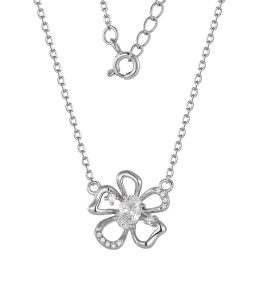
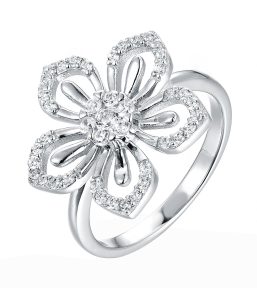
For commercial jewelry production, 925 sterling silver is one of the most widely used silver materials because it combines relatively high silver content with greater hardness and practical manufacturing characteristics.
It can be used for:
- Cast rings and pendants
- Chains and bracelets
- Earrings
- Charms
- Stone-set jewelry
- Birthstone jewelry
- Custom jewelry collections
Material selection also interacts with the manufacturing process. A design may need to balance casting behavior, wall thickness, stone-setting requirements, polishing, soldering or assembly, surface finishing, plating, and the expected use of the finished product.
For custom projects, material specifications should therefore be established during the design and engineering stage rather than after production begins. This is particularly important when the design involves detailed casting, stone setting, or multiple finishing steps.
You can see how these considerations fit into a manufacturer’s broader production workflow in our overview of jewelry manufacturing processes.
How to Verify Silver Quality When Sourcing Jewelry
For jewelry brands and retailers, confirming the silver grade before production is more reliable than judging material quality from appearance alone.
When sourcing silver jewelry, buyers should also understand how fineness marks and material descriptions are used in the market. The FTC Jewelry Guides provide guidance on how precious-metal content and representations should be described. We can consider the following:
1. Confirm the declared silver fineness
Ask the manufacturer or supplier to specify whether the product is 999, 958, 925, 900, or another defined alloy.
2. Confirm the complete material specification
A product described simply as “silver” may not provide enough information about its actual composition. Ask for the material or alloy specification when it matters to the product.
3. Check applicable marking requirements
Hallmarking and fineness-marking requirements can vary between countries and markets. Products intended for regulated markets should be reviewed against the applicable local requirements.
4. Request supporting documentation when appropriate
For commercial sourcing, supplier declarations, material specifications, test reports, or other relevant documentation can help verify the stated material.
5. Consider independent testing for verification
X-ray fluorescence (XRF) testing can be used to analyze metal composition without significantly damaging the jewelry. More detailed or disputed material analysis may require other laboratory or assay methods.
For brands purchasing larger quantities or developing a long-term jewelry collection, material verification should be part of the supplier evaluation and quality-control process.
What Jewelry Buyers and Brands Should Remember
The phrase “silver jewelry” can describe several different materials, so silver content and material construction should always be considered together.
The most important distinctions are:
- 999 fine silver has approximately 99.9% silver but is relatively soft.
- 958 Britannia silver has approximately 95.8% silver and is a higher-purity silver standard.
- Argentium silver is a specialty silver alloy available in grades such as 935 and 960.
- 925 sterling silver contains 92.5% silver and is widely used in jewelry manufacturing.
- Coin silver is a historical silver category generally associated with around 90% silver.
- Silver-filled products use a bonded silver layer over a base-metal core.
- Silver-plated products use a silver coating over another metal.
- Nickel silver, German silver, and Alpaca silver do not contain elemental silver.
For jewelry brands, selecting the right material means looking beyond the percentage of silver. Design requirements, durability, manufacturing processes, finishing, stone setting, target market, and applicable product requirements all need to be considered.
About Endless Jewel
Endless Jewel is a jewelry manufacturer serving brands, retailers and businesses with custom, wholesale, OEM and ODM jewelry production.
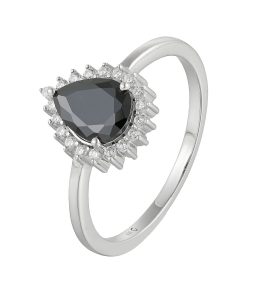
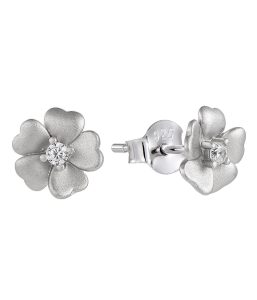
Our manufacturing capabilities include 925 sterling silver and other jewelry materials, with services covering design development, CAD, 3D printing, casting, polishing, stone setting, plating, quality control, and packaging.
For brands developing custom silver jewelry, birthstone collections, or private-label products, material selection can be discussed as part of the product development process so that the selected silver grade and construction match the design and production requirements.
FAQs
1. What are the main types of silver used in jewelry?
The main silver grades used in jewelry include fine silver, sterling silver, Britannia silver, Argentium silver, and historical coin silver. Jewelry can also use silver-filled and silver-plated materials, which are constructed differently from solid silver alloys.
2. What is the purest silver used in jewelry?
Fine silver is typically defined as approximately 99.9% silver and is commonly marked 999.
3. Is 925 silver the same as sterling silver?
Standard sterling silver contains 92.5% silver and is commonly marked 925. In most jewelry contexts, 925 silver and sterling silver refer to the same basic silver standard, although specific alloy compositions can vary.
4. What is the difference between 925 and 999 silver?
925 silver contains 92.5% silver and additional alloying metals, while 999 silver contains approximately 99.9% silver. As a result, 925 sterling silver is generally harder and more suitable for many everyday jewelry applications.
5. Does nickel silver contain silver?
No. Nickel silver is a base-metal alloy and contains no elemental silver despite its name.

Samuel
With 15+ years of hands-on experience, Samuel specializes in jewelry materials, plating, gemstones, production, and quality control, sharing practical insights from real-world manufacturing.


