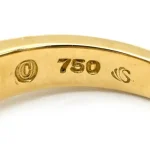
Does Sterling Silver Plated Brass Tarnish? Complete Buyer & Care Guide 2026
Table of Contents
Sterling silver plated brass will tarnish over time — but the speed and severity depend on plating thickness, wear conditions, and maintenance. With quality manufacturing (3+ microns of silver plating plus anti-tarnish coating), pieces can stay bright for 12-24 months with normal use. This guide explains the chemistry, helps you evaluate quality when sourcing, and provides actionable care instructions you can pass on to your customers.

What Is Sterling Silver Plated Brass?
To understand tarnish, you first need to know the structure of this material. Brass — an alloy of copper and zinc — serves as the base metal. It is strong, cost-effective, and widely used in jewelry manufacturing because it holds intricate shapes well and provides a solid foundation for plating.
On top of this brass core, a thin layer of sterling silver — 92.5% pure silver alloyed with 7.5% copper for strength — is deposited through electroplating. This outer layer gives the piece the bright, white appearance of real silver while protecting the brass underneath from direct contact with air and moisture.
The key point for buyers: the sterling silver layer is genuine, not imitation. But because it is measured in microns rather than millimeters, its thickness determines everything — how the piece looks, how long it stays bright, and how it should be cared for.
If you are building a fashion jewelry line and want to understand how brass compares to other base metals, our guide on what brass jewelry is and how it performs breaks down cost, durability, and plating compatibility across different materials.
Why Does Sterling Silver Plated Brass Tarnish?
Tarnish is a surface chemical reaction, not a structural failure. When sterling silver comes into contact with sulfur compounds in the air — hydrogen sulfide is the main culprit — the silver atoms react to form a thin layer of silver sulfide (Ag₂S) on the surface. This is the dark film you see.
The chemical equation looks like this: 2Ag + H₂S → Ag₂S + H₂. It happens faster when humidity is above 50%, when the piece is exposed to wool, rubber bands, or certain foods (eggs, onions), and when skin oils and cosmetics introduce additional reactive compounds.
Here is what matters for silver plated brass specifically: the brass core underneath does not cause tarnish as long as the silver layer remains intact. Tarnish happens exclusively on the silver surface. However, if the plating is thin or becomes scratched — exposing the brass — you may see a different type of discoloration: the copper in brass can oxidize to a greenish patina, which is visibly different from silver tarnish and harder to remove. This is why plating thickness is the single most important quality metric when sourcing.
How Long Before Sterling Silver Plated Brass Tarnishes?
The answer depends almost entirely on plating thickness, measured in microns (μ). Here is what our production data shows:
| Plating Thickness | Market Segment | Typical Brightness Duration | Best Use Case |
|---|---|---|---|
| 0.05–0.3μ | Mass market / fast fashion | 1–4 weeks | Single-occasion pieces, promotional giveaways |
| 0.5–1.0μ | Standard fashion jewelry | 3–8 months | Seasonal collections, trend pieces |
| 1.5–2.5μ | Mid-tier fashion | 8–18 months | Core collection staples, gift items |
| 3.0μ + e-coating | Premium plated (factory standard) | 18–36 months | Brand signature pieces, daily-wear jewelry |
At Endless Jewel, our standard silver plating specification is 1.5–3.0 microns with an optional anti-tarnish e-coating that extends brightness by an additional 40-60%. The difference between 0.3μ and 3.0μ may sound small, but in real-world wear it translates to months versus weeks of shine.
This is also where understanding gold plated alternatives becomes useful for buyers — how long gold plated jewelry lasts follows similar principles but with different chemistry and durability profiles, which may better suit certain product lines.
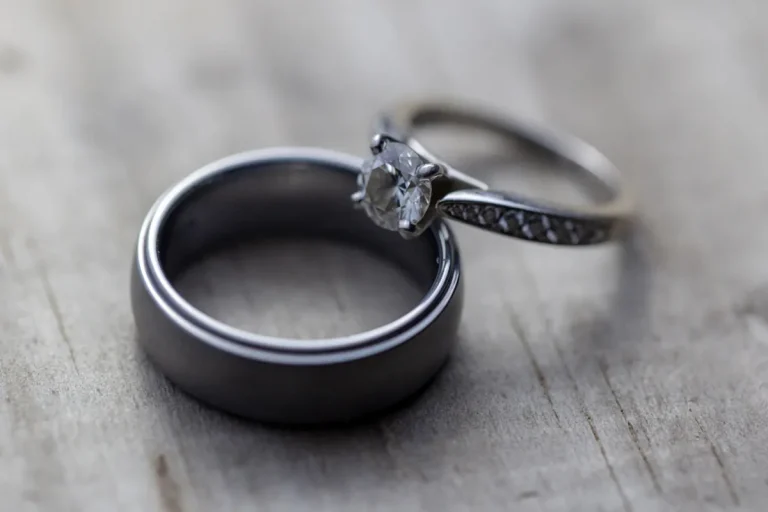
Sterling Silver Plated Brass vs Solid Silver vs Gold Plated
When deciding which material to stock, the choice is rarely about “one is better” — it is about matching the material to your price point, customer expectations, and brand positioning:
| Attribute | Silver Plated Brass | Solid Sterling Silver | Gold Plated Brass |
|---|---|---|---|
| Appearance | Bright white silver finish | Authentic silver luster | Warm gold tone |
| Tarnish Timeline | 3–24 months (depends on plating) | 6–24 months (slower, can be re-polished indefinitely) | 3–18 months (gold does not tarnish but plating wears) |
| Wholesale Cost (Pendant) | $1.50–6.00 | $8.00–30.00 | $2.00–8.00 |
| Target MSRP | $15–60 | $50–200 | $20–80 |
| Re-plating Possible? | Yes, but adds cost | N/A (solid) | Yes, common practice |
| Best For | Fashion collections, seasonal lines, starter brands | Premium lines, heirloom pieces, engagement | Warm-tone fashion, occasion jewelry |
For buyers building a cohesive collection, many brands mix materials — sterling silver for hero pieces, silver plated brass for volume items. Sourcing wholesale sterling silver for your premium SKUs while using silver plated brass for trend-driven designs gives you both margin protection and product range.
How to Slow Down Tarnish on Sterling Silver Plated Brass
Good maintenance can significantly extend the beauty of plated jewelry. Here is a practical 5-step care routine you can include in your product packaging or customer communications:
- Wipe after each wear: A quick pass with a soft microfiber cloth removes sweat and skin oils — the primary accelerants of tarnish.
- Apply jewelry last, remove first: Perfume, lotion, hairspray, and makeup all introduce sulfur compounds. Encourage customers to put jewelry on as the final step of their routine.
- Store in airtight conditions: Humidity above 50% accelerates oxidation. Small zip bags, anti-tarnish pouches, or jewelry boxes with silica gel packets are all effective.
- Remove before water exposure: Pool chlorine, salt water, and even prolonged shower exposure can weaken the silver layer over time.
- Use gentle cleaning only: A dedicated silver polishing cloth is sufficient for light tarnish. Avoid abrasive pastes, toothpaste, or ultrasonic cleaners — they can strip microns off the plating.
Pro tip for retailers: including a small anti-tarnish tab and a care card in every order reduces post-purchase complaints by an estimated 25-35%, based on feedback from our wholesale clients.
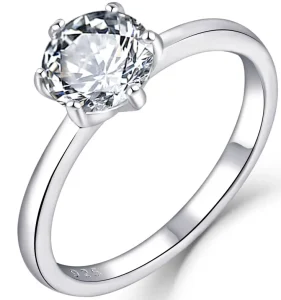

Is Silver Plated Brass Good for Jewelry Brands?
The short answer: yes, when used in the right product categories. Silver plated brass fills a specific niche — it delivers the white-metal aesthetic that customers associate with silver, at roughly 20-40% of the cost of solid sterling.
It is particularly well-suited for:
- Fashion jewelry collections where seasonal turnover is high and price sensitivity matters
- Charm bracelets and pendant necklaces — these see less friction than rings and last longer
- Trend-driven or occasion-based lines where customers prioritize look over longevity
- Starter brands and DTC launches testing the market before committing to solid silver inventory
For long-term or high-end collections, solid sterling silver remains the better investment — it can be polished repeatedly without exposing a base metal. But for the majority of fashion-forward jewelry brands, sterling silver plated brass offers the right balance of appearance, cost, and flexibility. Many of our factory clients order both materials from us, using plated brass for volume and solid silver for their premium capsule.
The presentation matters too — custom branding and packaging elevates the perceived value of plated jewelry considerably, helping brands position their silver plated brass pieces in the $40-80 range without pushback from customers.
How to Choose Quality Sterling Silver Plated Brass Jewelry: A 7-Point Sourcing Checklist
When evaluating suppliers, these seven criteria separate reliable production from cut corners:
- Plating thickness specification: Reputable manufacturers will provide micron data. For fashion jewelry, aim for a minimum of 1.0μ. For premium plated, 2.5μ+. If a supplier cannot or will not tell you the thickness, treat it as a red flag.
- Anti-tarnish coating (e-coating): Ask whether the pieces receive a post-plating protective layer. An electrophoretic coating (e-coating) adds a transparent barrier that can extend tarnish-free life by 40-60%.
- Base metal verification: Confirm the brass is genuine copper-zinc alloy, not a cheaper zinc-heavy substitute. Real brass holds plating better and feels more substantial.
- Nickel content disclosure: Some brass alloys contain trace nickel. For EU and California markets, request nickel-release test results to ensure compliance. Unplated skin contact areas are the main concern.
- Polishing quality: A smooth, mirror-like surface holds plating longer than a rough or matte finish. Inspect samples under magnification — any surface texture will translate to faster wear.
- Pre-shipment sample testing: Before committing to bulk, request 3-5 samples and subject them to real-world wear testing for 2-4 weeks. This catches issues that spec sheets miss.
- Factory certifications: ISO 9001 for quality management and SGS testing reports for material composition provide independent verification of what the supplier claims.
The base metal choice is just one piece of the puzzle. Our guide on jewelry certifications and compliance explains which certificates matter most depending on your target market — from REACH for Europe to Prop 65 for California.
Why Source Sterling Silver Plated Brass Jewelry from Endless Jewel
Endless Jewel is a B2B jewelry manufacturer, not a middleman. When you source silver plated brass from us, here is what you get:
- Verified plating thickness: Our standard silver plating is 1.5–3.0 microns, measured and documented per batch. We provide XRF verification reports on request.
- Optional e-coating: A transparent anti-tarnish layer applied post-plating, extending brightness by 40-60% without changing the visual appearance of the silver finish.
- Genuine brass base: Copper-zinc alloy with consistent composition — no zinc-heavy substitutions that compromise plating adhesion.
- Nickel-free compliance: Our brass formulation and plating processes are designed to meet EU Nickel Directive (EN 1811) standards.
- Flexible MOQ: Start with as few as 50 pieces per design for new collection testing.
- OEM/ODM capability: We manufacture to your design specifications — custom shapes, custom plating combinations, private labeling, and branded packaging.
Frequently Asked Questions
1. Does sterling silver plated brass tarnish faster than solid sterling silver?
Generally yes, because the silver layer is thinner and once it wears through, the brass underneath can react differently. However, quality plating at 2.5μ+ with e-coating can match or exceed the tarnish timeline of poorly cared-for solid silver. The maintenance habits of the end customer are usually a bigger factor than the material itself.
2. Will silver plated brass turn my skin green?
Not while the silver plating remains intact. The silver layer acts as a barrier between the brass (which contains copper) and the skin. If the plating wears thin or scratches through, the exposed copper in the brass can react with skin pH and cause green marks — harmless but undesirable. This is why plating thickness and regular care are so important.
3. Can I shower or swim with silver plated brass jewelry?
It is strongly discouraged. Chlorine, salt, and prolonged moisture exposure accelerate silver tarnish and can cause the plating to separate from the brass over time. Recommend that customers remove plated jewelry before swimming, showering, or exercising.
4. Is sterling silver plated brass hypoallergenic?
With intact plating and nickel-free brass formulation, it is safe for most people. However, individuals with extreme metal sensitivities should choose solid sterling silver or rhodium-plated options. If your brand targets the sensitive-skin demographic, request nickel-release test documentation from your supplier.
5. How does e-coating help prevent tarnish?
E-coating (electrophoretic coating) is a transparent polymer layer applied after silver plating. It seals the silver surface from air and moisture — the two main tarnish triggers — without altering the visual appearance of the piece. In our production data, e-coated silver plated brass consistently outlasts non-coated pieces by 40-60%.
Ready to Source Quality Silver Plated Brass Jewelry?
Contact Endless Jewel for wholesale pricing, plating specifications, and custom design consultation. Request samples with your desired micron thickness before committing to bulk.