Precious vs Semi Precious Stones Explained A Complete Guide for Jewelry
Table of Contents
Introduction
When exploring the world of gemstones, one of the most common questions buyers ask is the difference between precious and semi precious stones. This distinction has been used for centuries in the jewelry industry, yet it is often misunderstood. Many people assume that semi precious stones are low in value or quality, which is not always true.
In this cluster guide, we clearly explain precious vs semi precious stones, how the classification originated, what truly determines a gemstone’s value today, and how both categories are used in modern jewelry. This article is designed to provide accurate, experience based information that supports informed buying decisions.
What Are Precious Stones?
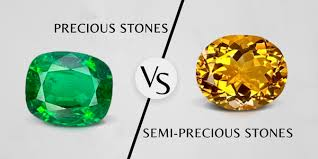
Precious stones traditionally refer to gemstones that are rare, durable, and highly valued across cultures and history. These stones have long been associated with wealth, royalty and fine jewelry.
The Four Precious Stones
The globally recognized precious stones names include:
Diamond
Ruby
Sapphire
Emerald
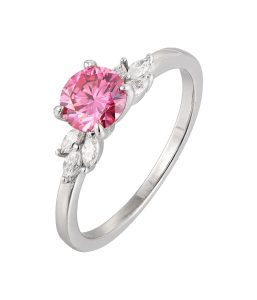
These gemstones earned their status due to a combination of rarity, hardness, beauty, and long term demand.
Key Characteristics of Precious Stones
High hardness and durability, suitable for everyday wear
Strong brilliance and color saturation
Limited natural supply
Consistent high market value
Because of these qualities, precious stones are commonly used in engagement rings, heirloom jewelry and luxury collections.
What Are Semi Precious Stones
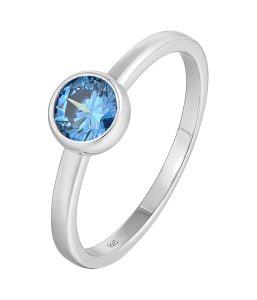
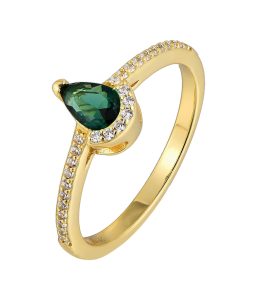
Semi precious stones include all other gemstones outside the traditional precious category. Despite the name, many semi precious stones can be rare, valuable, and highly desirable.
Common Semi Precious Stones
Popular semi precious stones include:
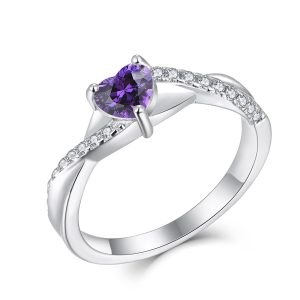
Amethyst
Garnet
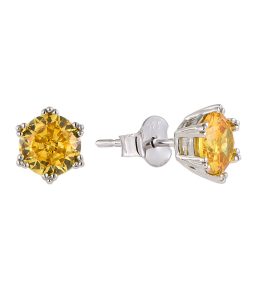
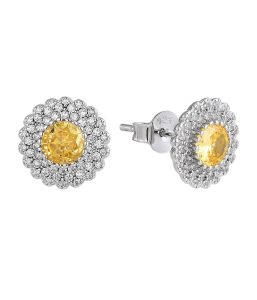
Citrine
Aquamarine
Topaz
Peridot
Tourmaline
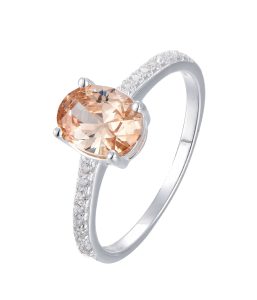
Moonstone
These stones are widely used in both fine and fashion jewelry due to their color variety and versatility.
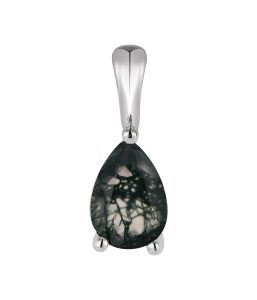
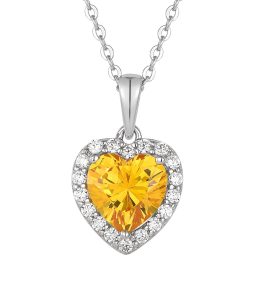
Why They Are Called Semi Precious
The term originated from historical trade classifications rather than actual quality. Many semi precious stones were more readily available, making them accessible to a broader audience.
In modern gemology, the term is becoming less important, as value is determined by quality rather than category.
Precious vs Semi Precious Stones Key Differences
1. Rarity
Precious stones are generally rarer, but certain semi precious stones can be equally rare depending on origin and quality.
2. Durability
Most precious stones rank high on the Mohs hardness scale. However, some semi precious stones like spinel and garnet are also very durable.
3. Price Range
Precious stones typically command higher prices, but premium semi precious stones can exceed the cost of lower grade precious stones.
4. Color Variety
Semi precious stones offer a wider spectrum of colors, making them popular in creative jewelry design.

Which Is More Valuable Precious or Semi Precious Stones
Value is not defined by the category alone. Instead, gemstone value depends on:
Color quality
Clarity
Cut
Carat weight
Origin
Market demand
For example, a high quality Paraiba tourmaline or fine spinel can be more expensive than a commercial grade ruby or sapphire.
How Precious and Semi Precious Stones Are Used in Jewelry
Precious Stones in Jewelry
Engagement rings and wedding jewelry
Luxury necklaces and earrings
Investment and heirloom pieces
Semi Precious Stones in Jewelry
Everyday rings and pendants
Statement and fashion jewelry
Healing stone and crystal jewelry
Designers often choose stones based on aesthetics, durability, and customer preferences rather than labels.
Healing Stones and the Semi Precious Category
Most healing stones and crystals fall into the semi precious category. Stones such as amethyst, rose quartz, and lapis lazuli are valued for their symbolic meanings and visual appeal.
This makes semi precious stones especially popular in wellness inspired jewelry and lifestyle accessories.
How to Choose Between Precious and Semi Precious Stones
When selecting gemstones, consider the following:
Intended use such as daily wear or special occasions
Desired appearance and color
Budget flexibility
Emotional or symbolic meaning
Durability requirements
Both precious and semi precious stones can be excellent choices when selected carefully.
Ethical Sourcing and Transparency
Modern buyers increasingly value ethical sourcing. Regardless of category, gemstones should be:
Responsibly mined
Clearly disclosed if treated or enhanced
Accurately described
Transparency strengthens trust between suppliers, brands and consumers.
Conclusion
Understanding the difference between precious vs semi precious stones allows buyers to move beyond outdated labels and focus on true quality. While precious stones carry historical prestige, semi precious stones offer remarkable beauty, diversity, and value. In today’s gemstone and jewelry market, informed choices are guided by craftsmanship, authenticity, and purpose rather than traditional classifications alone.
We are an endless jewelry factory that offers diamond setting, customization, wholesale, etc. We can meet your requirements for materials and low minimum order quantities. If you have any needs, please contact us.
FAQs
Q1: Are semi-precious stones worth anything?
Yes, semi-precious stones can hold significant financial value, with some, such as high-quality Paraiba tourmaline, tanzanite, or alexandrite, exceeding the price of traditional precious gems (diamonds, rubies, sapphires, emeralds). Their value depends on rarity, color vibrancy, clarity, and cutting quality rather than the outdated “precious” label.
Q2: What are the 7 precious stones in order?
Value Order of Precious Stones
- Tanzanite.
- Black Opal.
- Musgravite.
- Red Beryl.
- Alexandrite.
- Emerald.
- Ruby.
- Diamond.
Q3: Is amethyst precious or semiprecious?
Amethyst is classified as a semiprecious stone, not a precious one. While it was treasured alongside rubies and emeralds in ancient times, the discovery of abundant deposits in the 19th century made it more accessible and affordable. It is a durable violet variety of quartz with a 7 on the Mohs scale.
Q4: Is tanzanite precious or semiprecious?
Tanzanite is traditionally classified as a semi-precious gemstone. Despite this classification, it is considered one of the most valuable semi-precious stones, often called the “gem of a generation” because it is 1,000 times rarer than diamonds, found only in a small area of Tanzania.
Recommended for you